
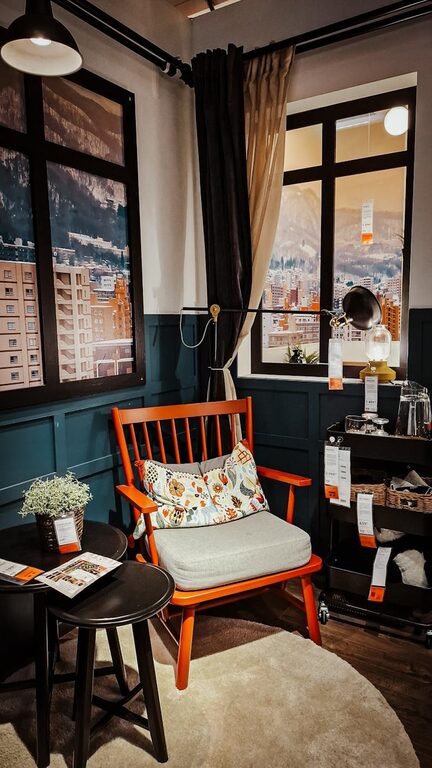
Creating a comfortable and inviting atmosphere in your home often starts with the right lighting. Whether you’re reading, cooking, or relaxing, the quality and style of your lighting can make a huge difference in how your space feels. Choosing home lighting that’s both functional and cozy doesn’t have to be complicated. This post will guide you through practical tips on selecting comfortable lighting for every room in your house.
Why Comfortable Lighting Matters
Lighting affects more than just visibility. It influences mood, productivity, and even your sleep patterns. Harsh, overly bright lights can cause eye strain or make a room feel cold and unwelcoming. On the other hand, soft, well-placed lighting can create warmth and relaxation, helping you feel at ease in your home. Comfortable lighting balances brightness with ambiance and adapts to the activities taking place in each space.
Understand Different Types of Lighting
Before choosing fixtures, it’s helpful to know the three main types of lighting and how they work together:
1. Ambient Lighting
This is your room’s primary light source. It provides overall illumination and ensures the space is evenly lit. Examples include ceiling-mounted fixtures, chandeliers, and recessed lights.
2. Task Lighting
Task lighting focuses on specific areas where activities like reading, cooking, or working take place. Desk lamps, under-cabinet lights, and pendant lights over kitchen islands are good examples.
3. Accent Lighting
Accent lighting adds visual interest and highlights features such as artwork, architectural details, or plants. It can include spotlights, wall sconces, or LED strip lights.
Combining these layers allows you to create lighting that is both practical and comfortable.
Tips for Choosing Comfortable Home Lighting
Consider the Purpose of Each Room
Think about how the space will be used most often:
– Living rooms and bedrooms: Prioritize soft, warm lighting to create a relaxing atmosphere.
– Kitchens and bathrooms: Brighter, cooler lights work better for tasks and cleanliness.
– Home offices: Use adjustable, glare-free task lighting to reduce eye strain.
Opt for Warm Light Bulbs
Choose bulbs that emit warm white light, typically between 2700K and 3000K on the color temperature scale. Warm light tends to be softer and more inviting, mimicking natural sunset hues. Avoid harsh, cool white or daylight bulbs in spaces where comfort is key, as they can feel too clinical.
Use Dimmers for Flexibility
Installing dimmer switches allows you to adjust light levels based on the time of day and your mood. This flexibility is especially useful in living areas and bedrooms where you might want bright light for activities, but softer light for winding down.
Pay Attention to Bulb Brightness
Bulb brightness is measured in lumens. Too bright can be overwhelming; too dim can make tasks difficult. For general guidance:
– Living areas: 1,500–3,000 lumens total
– Bedrooms: 1,000–2,000 lumens total
– Kitchens: 3,000–4,000 lumens total
Layer light from multiple sources rather than relying on a single bright fixture.
Choose Fixtures That Soften or Diffuse Light
Fixtures with diffusers or frosted glass help spread light evenly and reduce glare. Lampshades and fabric covers can also soften the intensity, making the lighting more comfortable on the eyes.
Consider Natural Light and Window Treatments
Maximizing natural daylight can reduce the need for artificial lighting during the day. Use sheer curtains or blinds to filter direct sunlight and soften the glare. Position seating and work areas near windows if possible.
Think About Color Rendering Index (CRI)
CRI is a measure of how accurately light reveals colors. A CRI of 80 or above is generally good for home use. Better color rendering helps colors in your room and belongings appear true to life, enhancing the overall comfort and visual appeal.
Room-by-Room Lighting Suggestions
Living Room
– Combine overhead ambient lighting with floor lamps or table lamps around seating areas.
– Use dimmers to adjust brightness quickly.
– Add accent lighting to highlight artwork or shelves.
Kitchen
– Bright, focused task lighting over counters and islands is essential.
– Under-cabinet LED strips prevent shadows while prepping food.
– Use a combination of bright ambient lighting and task lighting for flexibility.
Bedroom
– Use warm, soft lights to promote relaxation.
– Bedside lamps with adjustable brightness are ideal for reading.
– Consider motion-sensitive night lights for safety.
Bathroom
– Bright, even lighting around mirrors helps with grooming tasks.
– Avoid overhead lights that cast shadows on your face; add side sconces if possible.
– Use bulbs with a higher CRI for accurate skin tones.
Final Thoughts
Choosing comfortable home lighting is about balancing function, style, and ambiance to fit your lifestyle. By understanding the types of lighting, selecting the right bulbs, and layering light sources, you can transform any room into a welcoming and cozy space. Don’t forget to consider dimmers, fixtures that soften light, and the role of natural daylight as you plan your home’s illumination.
With these tips in mind, you can create a home lighting setup that makes every room comfortable and enjoyable to spend time in. Happy lighting!